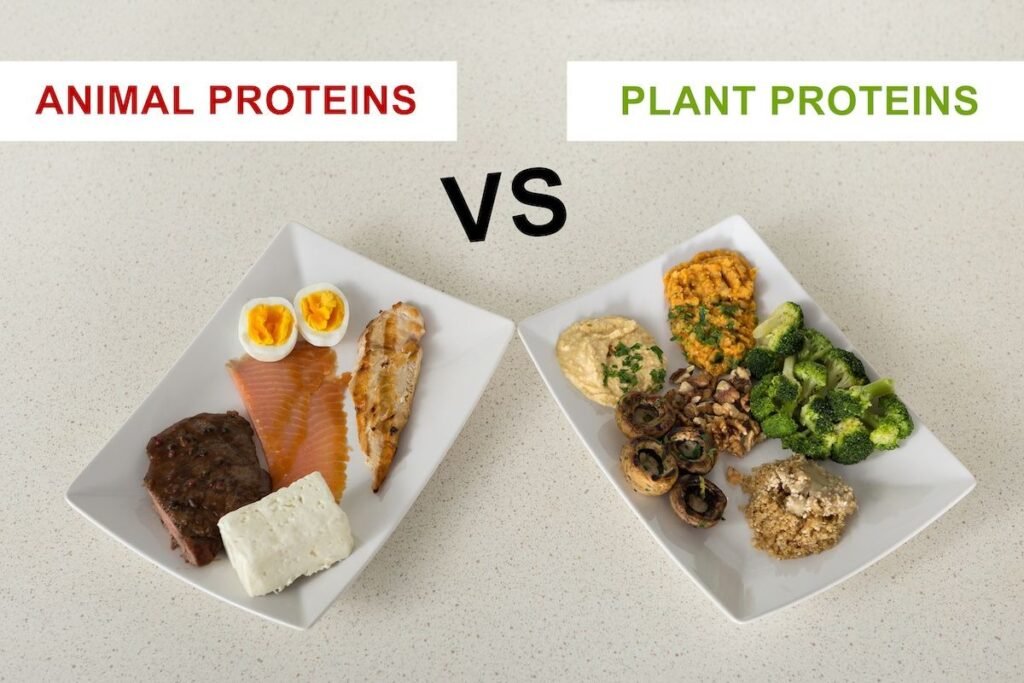
Protein is one of the most essential nutrients our bodies need. It is made of amino acids, which act like building blocks for nearly every structure and function in the body. Protein supports muscle repair, hormone production, immune function, enzyme activity, and even helps maintain healthy skin and hair. Without enough protein, the body cannot grow, heal, or function properly.
Complete vs. Incomplete Proteins
Proteins differ in quality depending on which amino acids they contain.
Complete proteins provide all nine essential amino acids in the correct proportions needed by the body. These are mostly found in animal foods such as meat, eggs, fish, and dairy products.
Incomplete proteins, usually found in plant foods, are missing or low in one or more essential amino acids. Examples include beans, nuts, lentils, oats, and whole grains. However, plant proteins can easily become “complete” by combining foods, for example:
• rice with beans
• hummus with whole wheat bread
• peanut butter with oats
This is known as complementary protein pairing, and it allows people following plant-based diets to meet their full amino acid needs.
Examples of Plant and Animal Protein Sources
Plant Proteins
• Lentils
• Chickpeas
• Soy products (tofu, edamame, tempeh)
• Beans
• Nuts and seeds
• Quinoa
• Whole grains
Animal Proteins
• Chicken
• Fish
• Eggs
• Milk, yogurt, cheese
• Beef, pork, lamb
Which Protein Source Is Healthier?
Although both plant and animal proteins can be part of a healthy diet, current research suggests plant proteins may provide more long-term health benefits.
A large study published in JAMA Internal Medicine found that replacing red meat with plant protein significantly reduced the risk of cardiovascular disease and early death.
Another study in the Circulation journal found that high intake of red and processed meats was associated with increased heart disease risk, while plant-based protein improved blood pressure, cholesterol, and overall heart health.
Plant proteins also tend to contain fiber, antioxidants, vitamins, and minerals that animal proteins lack. Animal proteins, especially red and processed meats, are often high in saturated fat and sodium, which may contribute to heart disease.
My conclusion:
Plant proteins generally provide more health benefits because they support heart health, reduce chronic disease risk, and supply additional nutrients like fiber and antioxidants. Animal proteins can still be useful for muscle building and nutrient density, but the healthiest approach seems to be eating more plant-based proteins and choosing leaner animal options when possible.
References
Wolfe, R. R. (2017). Update on protein intake: Importance and considerations. The Journal of Nutrition, 147(7), 108–111. https://doi.org/10.3945/jn.116.239574
Song, M., Fung, T. T., Hu, F. B., Willett, W. C., Longo, V. D., Chan, A. T., & Giovannucci, E. L. (2016). Association of animal and plant protein intake with all-cause and cause-specific mortality. JAMA Internal Medicine, 176(10), 1453–1463. https://doi.org/10.1001/jamainternmed.2016.4182
Satija, A., Bhupathiraju, S. N., Spiegelman, D., Chiuve, S., Manson, J. E., Willett, W., & Hu, F. B. (2017). Plant-based dietary patterns and incidence of cardiovascular disease: A systematic review and meta-analysis. Circulation, 135(10), 1017–1030. https://doi.org/10.1161/CIRCULATIONAHA.116.023956
Roswell Park Comprehensive Cancer Center. (2022, July 27). Picking your proteins: animal versus plant sources. Cancer Talk. https://www.roswellpark.org/cancertalk/202207/picking-your-proteins-animal-versus-plant-sources